Change Fatigue is Costing Organisations More Than They Realise
- 4 Min Read
Mergers, acquisitions, restructures and leadership changes have become a near-constant feature of modern working life. While organisations often focus on delivering transformation quickly, the cumulative impact on employees can be just as significant as the change itself.
- Author: HRD Connect
- Date published: Jul 22, 2026
- Categories
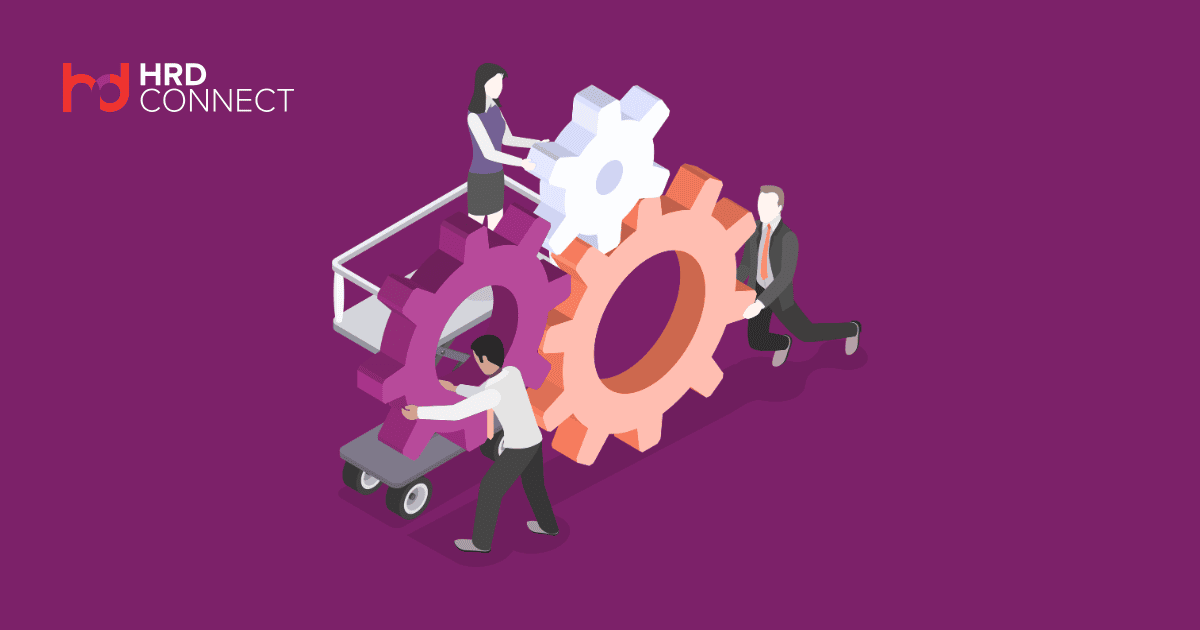
Whether it’s integrating two businesses, introducing a new operating model or navigating multiple rounds of organisational restructuring, employees are increasingly being asked to adapt to continual uncertainty. The result is a growing phenomenon known as change fatigue: a state where people become emotionally and mentally exhausted by ongoing organisational change, reducing engagement, productivity and willingness to embrace future initiatives.
Supporting employees through change is no longer simply about communication plans. It is becoming a strategic capability that can determine whether transformation succeeds or fails.
Change has become the norm
According to KPMG’s Global Transformation Survey, 96% of organisations are undertaking some form of business transformation, while 47% are managing multiple major transformation programmes simultaneously.
Meanwhile, Gartner reports that the average employee experienced 10 planned enterprise changes in 2022, compared with just two in 2016, reflecting a fivefold increase in organisational change over just six years.
This pace of transformation extends beyond technology programmes. Economic uncertainty, mergers and acquisitions, leadership changes, AI adoption, hybrid working, restructures and cost-saving initiatives all require employees to continually adapt. While each initiative may be justified individually, their cumulative effect often goes unnoticed.
The hidden cost of change fatigue
Employees experiencing change fatigue are not necessarily resistant to change itself. More often, they become overwhelmed by the frequency, pace and uncertainty surrounding it.
Research from Gartner found that only 34% of employees describe themselves as willing to support organisational change, down from 74% in 2016. At the same time, employees report feeling increasingly overwhelmed by competing priorities and constant organisational disruption.
This matters because transformation ultimately depends on people changing behaviours, adopting new ways of working and remaining engaged throughout implementation. When change fatigue sets in, organisations may begin to see:
- Lower employee engagement
- Reduced productivity
- Greater resistance to new initiatives
- Higher absenteeism
- Increased voluntary turnover
- Slower adoption of new technology and processes
For organisations investing millions in transformation programmes, these people-related risks can significantly reduce the return on investment.
Why mergers and acquisitions are particularly challenging
Few workplace changes are as disruptive as mergers and acquisitions.
Beyond combining systems and processes, employees often face uncertainty around job security, reporting lines, organisational culture and future career opportunities. Teams may be restructured, managers replaced and long-established ways of working abandoned.
Research from McKinsey suggests that 70% of mergers fail to achieve their intended value, with cultural integration and people challenges consistently cited among the biggest barriers to success.
Employees are often expected to remain productive while simultaneously learning new systems, adapting to different leadership styles and building relationships with unfamiliar colleagues. Without appropriate support, uncertainty can quickly give way to disengagement.
Team changes can be just as disruptive
Large-scale acquisitions are not the only source of change fatigue.
Leadership changes, departmental restructures, new managers and shifting team responsibilities can all create uncertainty, particularly when they occur repeatedly over a short period.
Even positive organisational changes, such as promotions or business growth, require employees to adjust expectations, relationships and routines.
When people lose a sense of stability, psychological safety can decline, making employees less likely to share ideas, raise concerns or embrace further change.
How HR can reduce change fatigue
Although organisational change is often unavoidable, change fatigue is not.
HR plays a critical role in helping employees build confidence and resilience throughout periods of transformation.
Prioritise transparency over certainty
Employees rarely expect organisations to have every answer immediately. What they do expect is honest communication.
Regular updates, even when decisions have not yet been finalised, help reduce speculation and build trust.
Equip managers to lead through change
Managers are typically employees’ primary source of information during organisational change, yet many receive little formal support.
Providing managers with guidance, communication frameworks and coaching enables them to answer questions consistently while recognising when additional support may be needed.
Give employees opportunities to influence change
People are significantly more likely to support change when they feel involved in shaping it.
Seeking employee feedback through listening sessions, pulse surveys and workshops allows organisations to identify concerns early while demonstrating that employee voices matter.
Protect wellbeing during periods of uncertainty
Periods of organisational change often coincide with increased workloads as employees balance existing responsibilities with learning new systems or processes.
HR should encourage realistic workloads, provide access to wellbeing resources and ensure managers regularly check in with their teams.
Avoid transformation overload
Not every initiative needs to happen simultaneously.
Where possible, HR should work alongside business leaders to sequence transformation programmes, ensuring employees have sufficient time to embed one change before introducing another.
Building periods of stability into transformation roadmaps can improve adoption while reducing burnout.
Categories: Employee Wellbeing, Organisational Change, Leadership