HomeEventsBusiness Continuity Needs Culture Continuity

Business Continuity Needs Culture Continuity

  • 1 Min Read

How do organisations ensure business continuity following a major market change? By ensuring culture continuity. Through listening to employees, business leaders can understand the priorities and values that define their organisation. Studies show that business performance hinges on the ability to create a purpose-driven culture – what better way to create that culture than reflecting […]

Featured Image

How do organisations ensure business continuity following a major market change? By ensuring culture continuity.

Through listening to employees, business leaders can understand the priorities and values that define their organisation. Studies show that business performance hinges on the ability to create a purpose-driven culture – what better way to create that culture than reflecting the ideals at the heart of your business?

Join us as Mark Heywood, Head of Performance and Recognition, Lloyds Banking Group and Stephen Jones, Head of Reward, DWF Law, LLP discuss the importance of culture continuity:

•    What tools are needed to truly understand the qualities, behaviours and values of your people? How can you embed them into company culture?
•    How can business leaders respond to a crisis in a way that makes employees proud?
•    How can you give employees a voice when going through a period of change?
•    Why is culture continuity essential for business continuity and longevity?

Click here to register for the webinar

Was this article helpful?

Related Articles

UK Autumn Budget 2026: Higher Wages, Parental Pay and Hiring Reforms Put Employers on Notice

The UK Autumn Budget 2026 has delivered a series of employment-related announcements, with increases to statutory wages, expanded parental pay and...

UK Autumn Budget 2026: What We Know, What to Expect and How Employers Can Prepare

The countdown to the UK Autumn Budget is entering its final days, with employers looking for signs of relief after months of economic...

AI FOMO Is Fuelling Panic Hiring. Are Companies Recruiting for Skills They Don't Understand?

Artificial intelligence has become a competitive priority, and employers are under pressure to demonstrate that they are keeping pace. For some,...

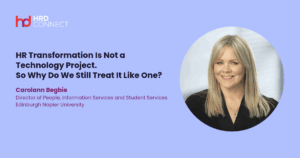
HR Transformation Is Not a Technology Project. So Why Do We Still Treat It Like One?

A new HR platform will not transform an organisation if everything around it stays the same. That is the principle guiding Edinburgh Napier...

  • Carolann Begbie
  • 3w

Baby Loss Awareness Week 2026: Why Workplace Support Should Not Depend on When a Pregnancy Ends

Losing a baby does not become less devastating because it happens before a particular week of pregnancy. Yet workplace entitlements in the UK have...

AI Is Changing What We Learn. Is L&D Changing Fast Enough?

Almost every organisation is talking about reskilling for AI. The harder question is whether anyone really knows what they are reskilling people...

UK Autumn Budget 2026: Is the Cost of Employment Becoming a Barrier to Growth?

As employment costs rise and employees struggle to feel the benefits of higher pay, the Autumn Budget exposes a growing contradiction in the UK...

Sexual Harassment Laws Have Changed. Has Your Organisation Done Enough to Comply?

Tougher workplace harassment laws are now in force, but research conducted shortly before the changes took effect suggests many employers may still...

Events

HRD Roundtable: Combating 'Quiet Quitting'…

08 June 2023
  • E-Book
  • 3y

HRD Network Roundtable: The Retention…

15 June 2023
  • E-Book
  • 3y

Manage change and drive value…

01 June 2023
  • E-Book
  • 3y
Sign up to our Newsletter