International Youth Day: How HR Can Invest in the Next Generation
- 4 Min Read
Young people entering the workforce today face a very different set of challenges than previous generations. Skills requirements are evolving faster than ever, AI is reshaping entry-level work, mental wellbeing concerns continue to rise and the cost of education and housing is changing how young people think about their careers.
- Author: HRD Connect
- Date published: Aug 11, 2026
- Categories
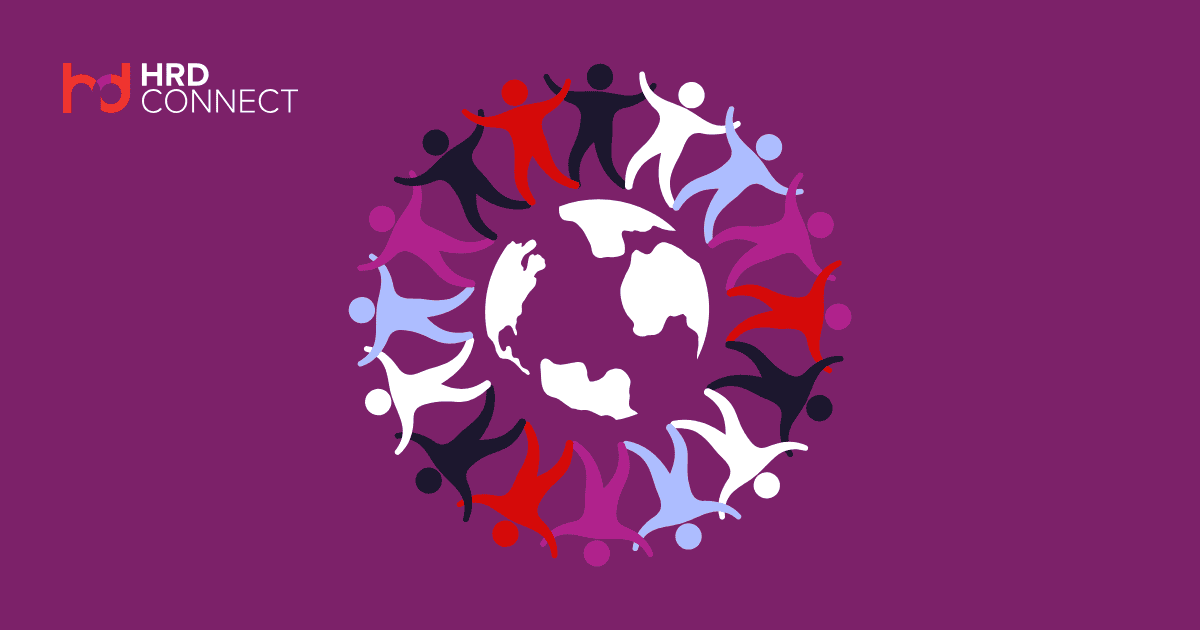
Marking International Youth Day (12 August), the United Nations has chosen three themes for 2026: Global Solidarity, Shared Challenges and Youth Innovation. Together, they recognise that preparing young people for the future of work is a shared responsibility between governments, educators and employers.
Shared challenges require shared solutions
Many of the issues affecting young people extend beyond individual organisations.
The World Economic Forum’s Future of Jobs Report 2025 found that almost 40% of today’s core workplace skills are expected to change by 2030, driven by AI, automation and digital transformation. At the same time, employers continue to report shortages in analytical thinking, resilience, leadership and technological literacy.
Meanwhile, Deloitte’s 2025 Gen Z and Millennial Survey found that career progression, continuous learning and mental wellbeing remain among young workers’ biggest priorities. Nearly half of Gen Z respondents also said they were concerned about the long-term impact of AI on their careers, despite recognising the opportunities it creates.
These findings suggest organisations cannot rely on traditional graduate schemes alone. Supporting young employees increasingly requires continuous learning, coaching and practical workplace experience.
Organisations are already changing their approach
Forward-thinking employers are beginning to redesign early careers around long-term employability rather than simply recruitment.
For example, Accenture’s Skills to Succeed programme has helped millions of people worldwide develop employability and digital skills through partnerships with educators, governments and charities. Rather than focusing solely on hiring, the initiative aims to improve access to careers for underrepresented groups while helping participants build future-ready capabilities.
Similarly, Microsoft’s Global Skills Initiative continues to provide digital and AI training through partnerships with LinkedIn Learning and educational institutions, helping early-career professionals develop the technical skills increasingly demanded by employers.
Closer to home, organisations such as PwC UK and KPMG UK have continued expanding apprenticeship and school-leaver programmes, recognising that traditional graduate recruitment is no longer the only pathway into professional careers. Skills-based entry routes are helping employers widen access while addressing persistent talent shortages.
These initiatives reflect a broader shift in employer thinking. Rather than recruiting for existing skills alone, organisations are increasingly investing in potential.
Global solidarity starts inside organisations
One of this year’s themes, Global Solidarity, highlights the importance of ensuring young people have equitable access to opportunities regardless of geography or background.
For multinational organisations, this increasingly means creating opportunities beyond physical borders.
Virtual international teams, cross-border mentoring, global project work and international secondments allow young employees to develop cultural awareness and international experience without relocating permanently.
These programmes not only strengthen collaboration across global teams but also help employees develop many of the capabilities identified by the World Economic Forum as critical for the future workforce, including adaptability, collaboration and problem-solving.
Young people are driving innovation
Organisations are also recognising that young employees should not simply be recipients of development programmes. They can also be catalysts for innovation.
Many employers now involve early-career employees in AI pilots, sustainability projects and digital transformation initiatives, recognising that younger generations often bring fresh perspectives on technology adoption and customer expectations.
Rather than limiting younger employees to structured graduate rotations, organisations are increasingly giving them opportunities to contribute to strategic initiatives early in their careers. This not only accelerates development but also helps organisations remain innovative in rapidly changing markets.
What HR can do next
International Youth Day provides an opportunity for HR leaders to evaluate whether existing talent strategies are preparing young people for long-term success.
Organisations should consider:
- Expanding apprenticeship, internship and school-leaver pathways alongside graduate recruitment.
- Investing in digital, AI and leadership capability from the start of employees’ careers.
- Pairing younger employees with experienced mentors while encouraging reverse mentoring to improve digital capability across generations.
- Creating opportunities for early-career employees to contribute to innovation and transformation projects.
- Measuring progression, retention and skills development to ensure opportunities are equitable across different backgrounds.
Investing in young people is investing in organisational resilience
The organisations best positioned for the future will not simply be those that recruit the brightest graduates.
They will be those that create multiple pathways into employment, invest continuously in learning and provide young people with meaningful opportunities to develop, contribute and lead.
International Youth Day is ultimately a reminder that preparing the next generation is not only a social responsibility. It is one of the most important investments organisations can make in their future workforce.