Welcome to your HRD Connect update!
Imposter syndrome
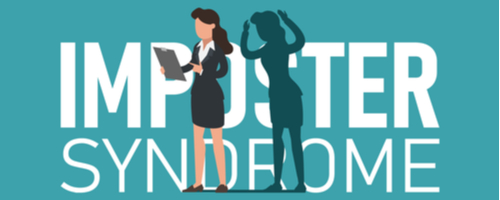
The impostor phenomenon was named by Pauline Clance and Suzanne Imes in 1978. They described imposter syndrome as the perceived disconnect between how we perceive our performance versus our actual performance. Even if we have ample evidence that we are doing well, we will cancel it out by dismissing it as luck or our ability to fool everyone, and fear being unmasked as a fraud imminently – how can this impact us in the workplace?
Hierarchy or non-hierarchy?
Modern day organisations need to be innovative and nimble to form teams quickly that are multi-skilled rather than traditional functional models. What does this mean in terms of management and hierarchy? Regular contributor, David Roberts discusses, and questions whether hierarchy still has a place within organisational structure?
“I would say, one size doesn’t fit all, and you should choose a model that considers; business needs, the evolving market, the need to communicate, innovate & deliver at speed.” – David Roberts, Global HR Director – Technology and Product, Worldpay
The evolution of HR
HR is a vast landscape, with countless areas to explore. We are undeniably now in an era of rapidly developing technology; everything that defines the way we work is either entirely technologically based, or at least has shades of artificial intelligence (AI).
Are you the next HR leader?
Our HR Future Leader’s vote is still open (are closing in the coming weeks) – get voting for who you think will one day make a fantastic all-rounded leader.
As ever, join the conversation and tweet us at @HRDCommunity or email me at [email protected].
I hope you enjoy the features.
Best wishes,
Emily Sexton-Brown,
Editor, HRD Connect